Penelope Stout: History or Fiction?
Penelope: A Novel of New Amsterdam
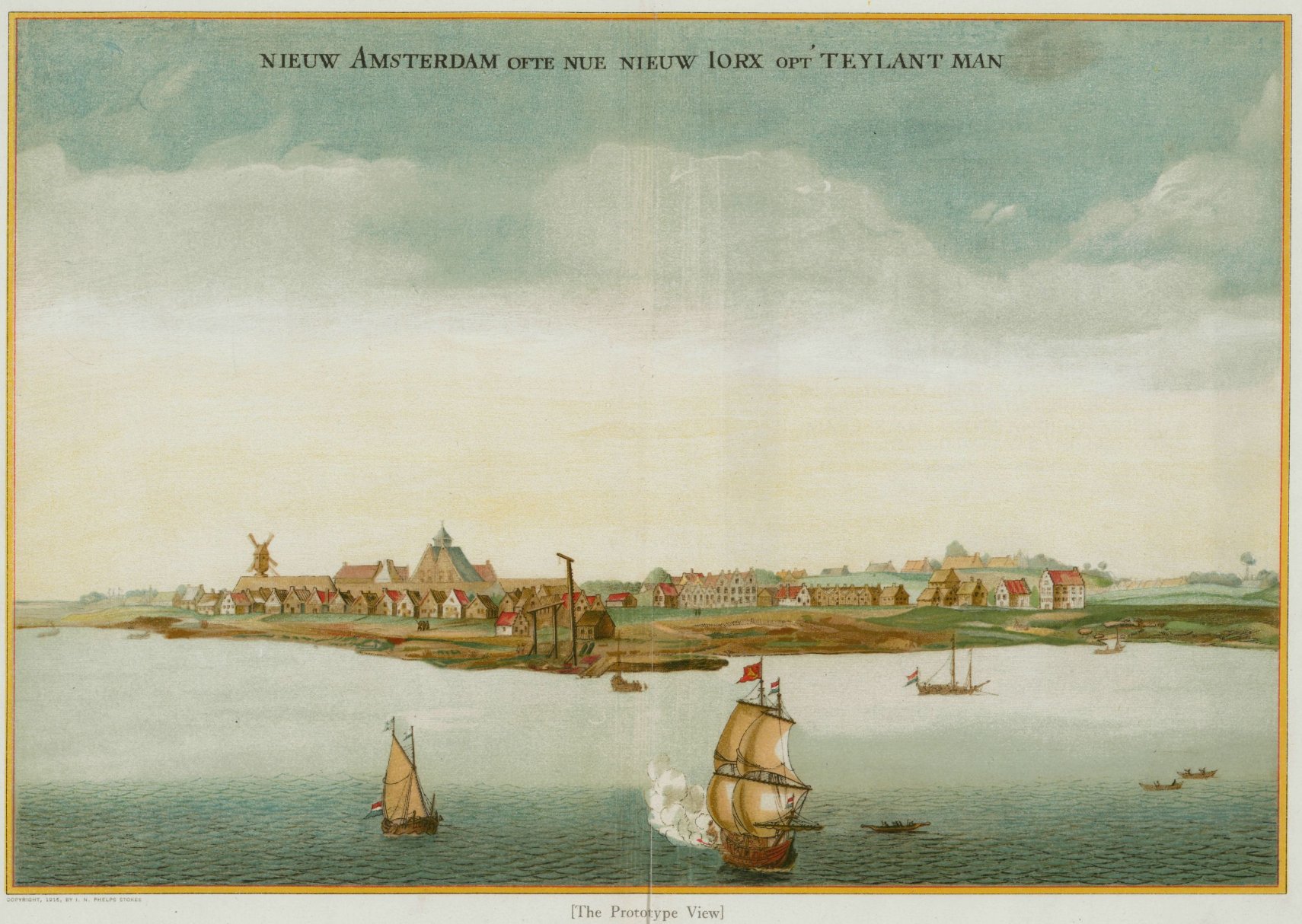
This novel is 370 pages of fiction wrapped around a few pages of history. A surprising amount of information still exists about 17th century New Amsterdam. As much as possible I have included people, ships, and events from historical documents. To separate fact from fiction, click on "Novel Time Line" in the left margin.
A Tale of Adventure in Colonial America.
Inspired by a True Story.
Inspired by a True Story.
She can't wait to escape Amsterdam but never imagines the dangers that await her in the New World.
Book Description
Title: Penelope: A Novel of New Amsterdam
ISBN: 978-0-9851122-0-2 Publication Date: March 2012
Twisted Cedar Press
Format: 5.5 x 8.5 paperback
Length: 371 pages
Genre: Historical Fiction (adventure)
Price: $15.00 plus shipping
Order Signed Copies From:
bookstore in Greenville, SC
Support independent bookstores if you want a wide variety of choices.
Available online (9780985112219) at
ePub version at Kobo
ePub version at Barnes & Noble
Kindle version at Amazon
Reader Comments
This 370 page novel weaves together some known facts about Penelope Stout with family legend, 17th century historical facts, and pure literary fiction to create a fascinating adventure novel about this famous pioneer woman of New York and New Jersey. Jack Mount, http://nostalgia.esmartkid.com/stout.html
This was an outstanding job, especially for a first novel. Overall I found the historical and cultural aspects to be very well done, with just enough "poetic license" taken to hold a modern reader's interest. Doug Gordon
When I hear stories of my ancestors, I long to walk where they walked, see what they saw, and feel what they felt. This novel by Jim McFarlane makes it possible to do just that. Bonnie Schmerer, as posted on Amazon
I just finished reading the Penelope Stout book. I had heard stories most of my life from my grandfather so I know most of the facts, but Jim McFarlane made a really good read and a great adventure story. Thanks for bringing her to life again. I am proud to be one of her descendants. Carolyn E., Southampton,PA
I can't wait to read the book starting Monday. My husband made me wrap it back up so I can 'open it' on my birthday. Jan H., Raytown, MO
I enjoyed the book and read it all the day received. Want 2 more copies for Emma and Laurel, Penelope's 10th great granddaughters. Janet W.
I enjoyed every aspect of it, from the dedication to the last page. The authenticity you brought using Dutch phrases and your apt descriptions all added to your terrific drama. It was all entertaining. Most of all I enjoyed your characters. There were many to like, and dis-like, but you made Penelope and Richard come to life and you did a wonderful job with their romance. Having been to Holland many times, I appreciated the fine and subtle touches you used to bring out their culture. It was great. Mike L., Murrells Inlet, SC
Penelope's Descendants
Are you aware of two Facebook groups for descendants of Penelope: https://www.facebook.com/groups/129607515113 and https://www.facebook.com/groups/46807997812
Send me the short version of your descent from Penelope. I will enter that info into a genealogy program and print a list of cousins. Use aliases for 20th century people. Include your email address as part of your first name if you desire cousins to contact you. Here is my example: Penelope (abt 1628 – abt 1738?)
Alice Stout (abt 1650-?)
Patience Throckmorton (1671-1726)
John Coward (abt 1700 -1760)
Deliverance Coward (1737-1787)
Hannah Randolph (1761-1837)
James Longstreet (1786-1833)
Eliza Parke Longstreet (1828-1914)
Fannie Holt Lucas (1845-1899)
Jim's grandfather
Jim's mother
Jim (jimmcfarlane102@gmail.com) McFarlane
Click here to see your Penelope cousins.